Whatsapp: +8615936220108
Email: [email protected]
Whatsapp: +8615936220108
Email: [email protected]
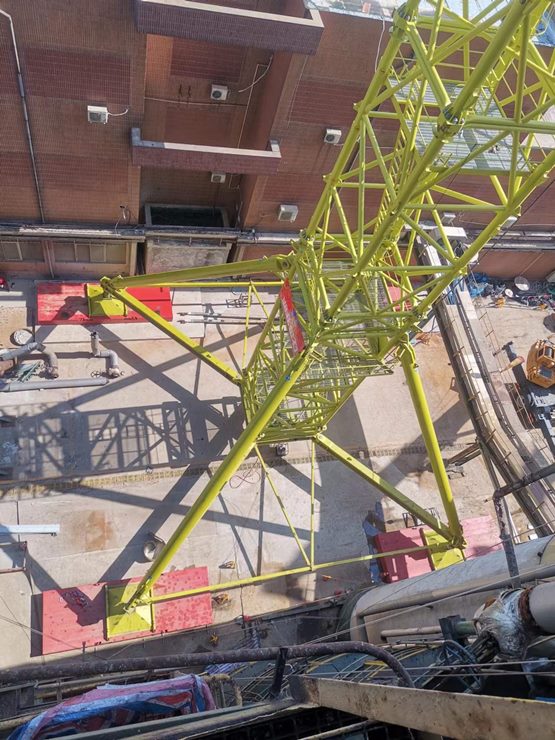
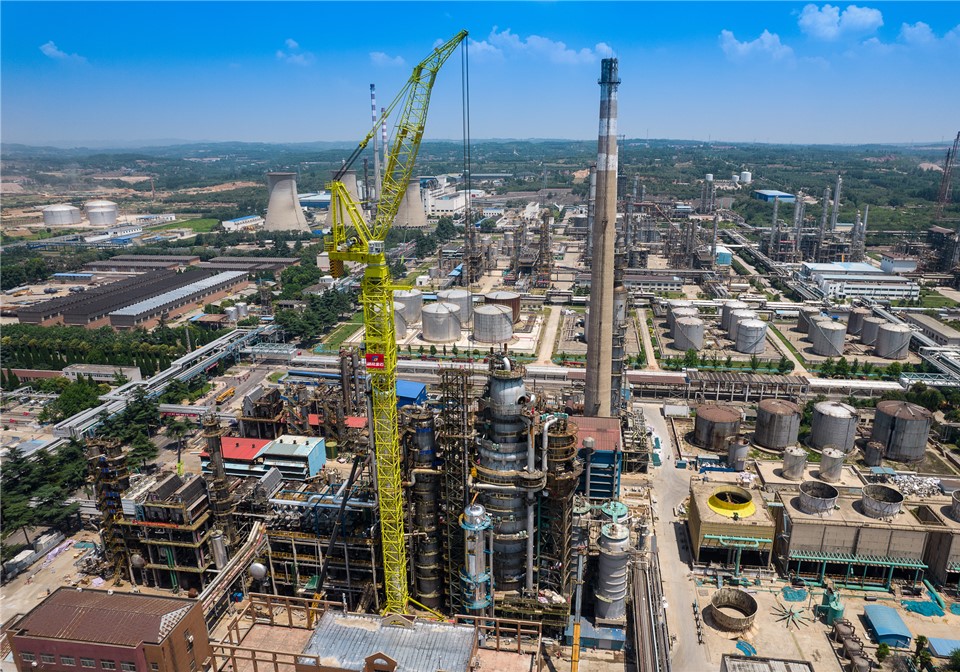
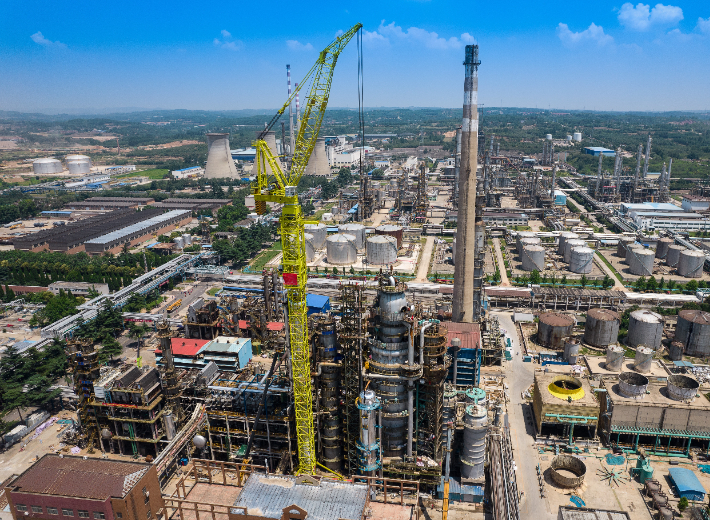
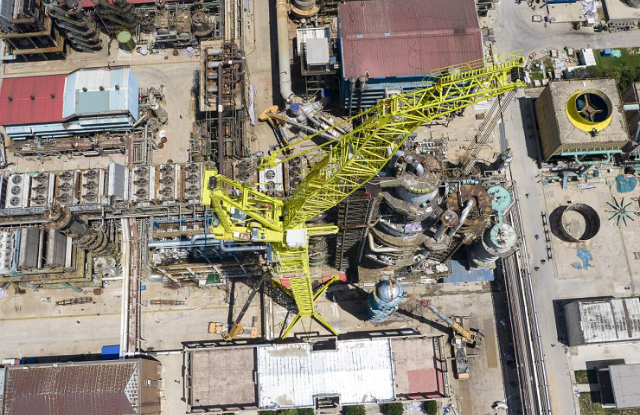
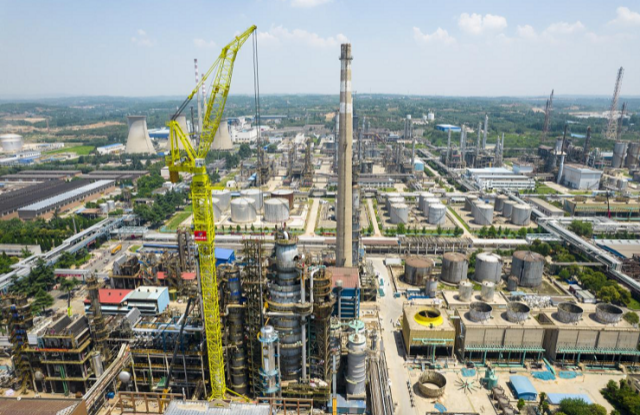
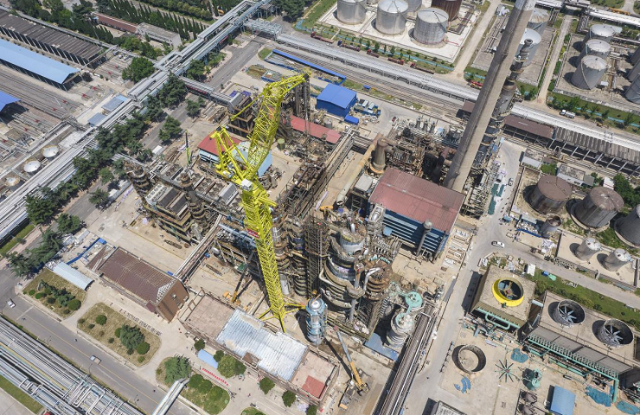
JLD2250S luffing jib tower crane successfully completed the vessel replacement works for the catalytic cracking unit at Sinopec Luoyang Refinery in Henan Province, China. Serving as the project's primary lifting equipment, the crane operated inside one of the refinery's most space-constrained process units and delivered all critical lifts on schedule, marking another validated deployment of the JLD series in petrochemical maintenance.
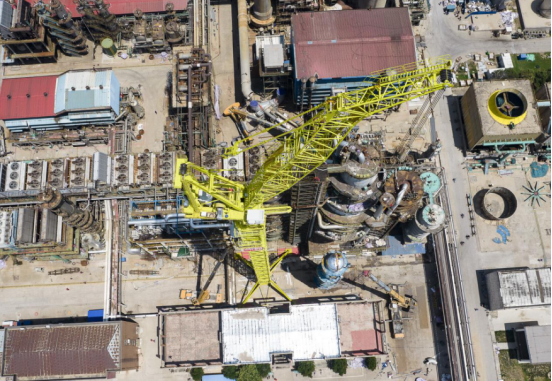
Refinery turnarounds present some of the most difficult lifting conditions in any industry. Sinopec Luoyang's catalytic unit is surrounded by dense pipe racks, structural steel, and live process areas, with headroom in many access routes limited to 5 meters. Conventional crawler or truck cranes could not be positioned to reach the lift paths required, and ground space for crane assembly was extremely limited. The project demanded a crane capable of high capacity, long reach, and precise low-headroom operation—all within a confined footprint.
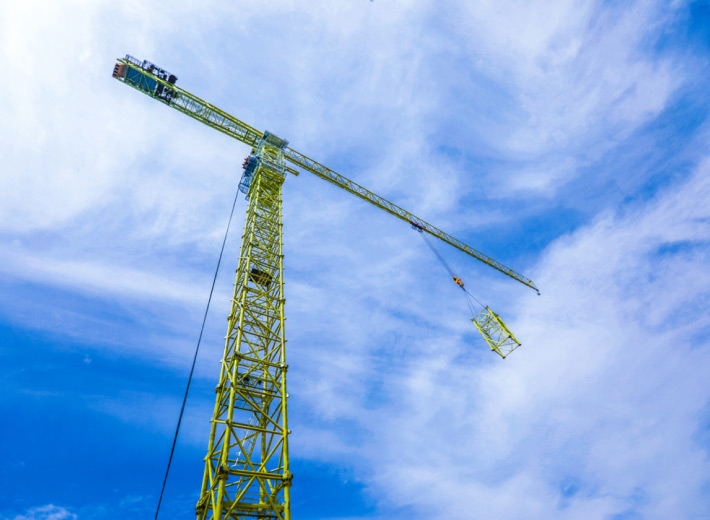
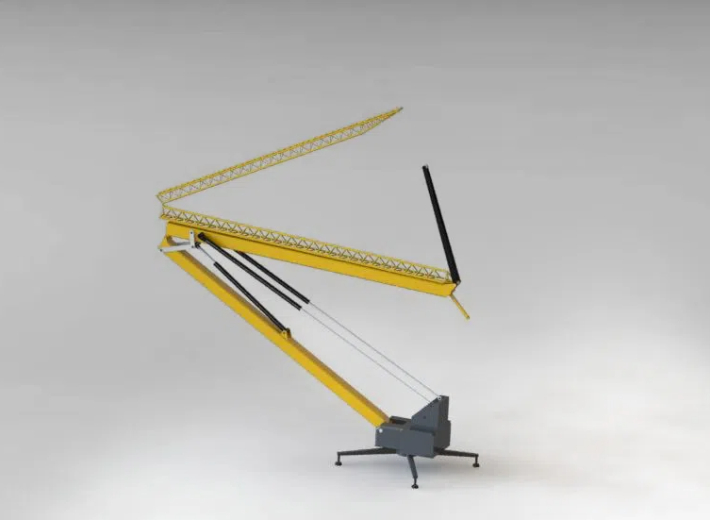
The JLD2250S was selected precisely for these reasons. With a maximum lifting height of 198.5 meters, maximum radius of 68.5 meters, and maximum capacity of 200 tonnes, the crane combines the reach of a large mobile crane with a footprint that fits inside a process unit. Its luffing jib can be raised and lowered through a wide arc, allowing loads to be navigated beneath pipe racks and around existing structures that would block a conventional horizontal jib. Transport dimensions are kept within 3.8 meters wide and 5 meters high, enabling the crane to be moved through the refinery's internal roadways without disassembly.
Erection inside the live refinery was another decisive factor. The JLD2250S uses a self-climbing tower system that requires minimal ground clearance for assembly and tower raising, avoiding the large matted areas and tracking space that crawler cranes would have demanded. In a multi-contractor turnaround where space is shared among dozens of concurrent activities, this capability significantly reduces site disruption. The crane's modular design—with major assemblies pre-integrated at factory level and dedicated tools for inter-module connections—further shortened both erection and dismantling time, reducing the duration of the crane's occupation of valuable laydown space.
During the execution phase, the JLD2250S demonstrated stable, precise handling across all critical lifts. Vessel extraction and replacement inside the catalytic unit required accurate positioning in a confined environment where tolerances were tight and safety margins unforgiving. The crane's controlled drives enabled smooth load movement with minimal dynamic loading, protecting both the lifted components and the refinery's existing structures. The site team reported that several lift paths executed by the JLD2250S would have been impossible with a conventional mobile crane configuration.
The successful completion of this assignment highlights the growing relevance of luffing jib tower cranes beyond their traditional urban construction market. As refineries and petrochemical plants increase in complexity, the physical constraints on mobile crane access are becoming more pronounced. Tower cranes adapted for industrial maintenance—capable of being erected within a plant, delivering high-capacity lifts, and requiring minimal ground footprint—offer a compelling alternative for turnaround planners and contractors.
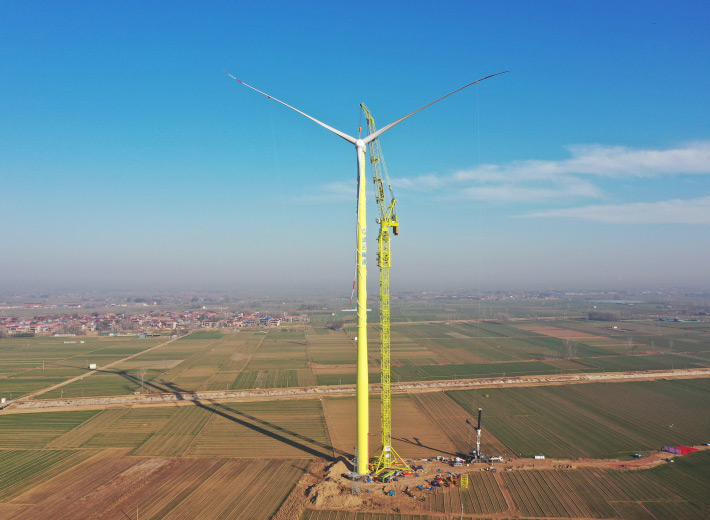
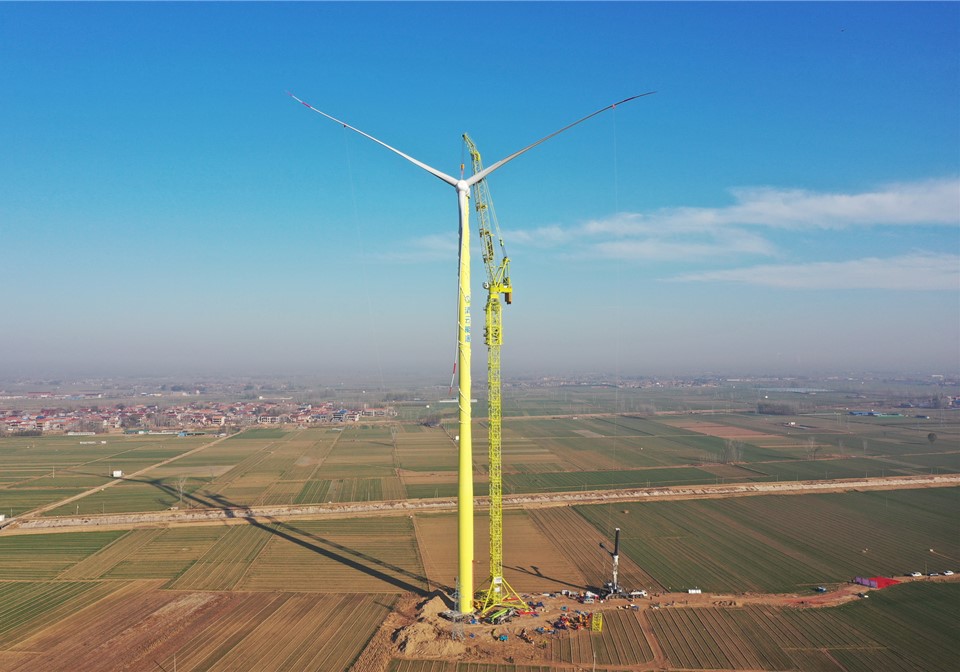
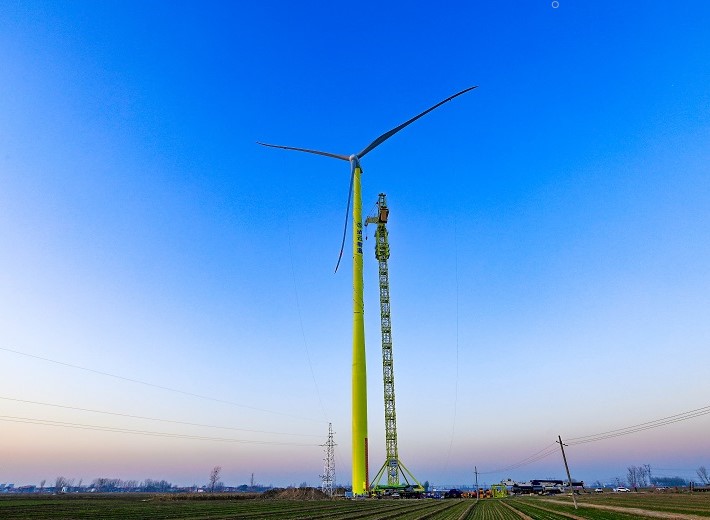
4.0MW-165m Wind Farm in Fengqiu Henan
Location: Fengqiu City, Henan Province, China
Hub Height:165m
Capacity: 4MW
Type of Tower: Flexible wind turbine tower barrel
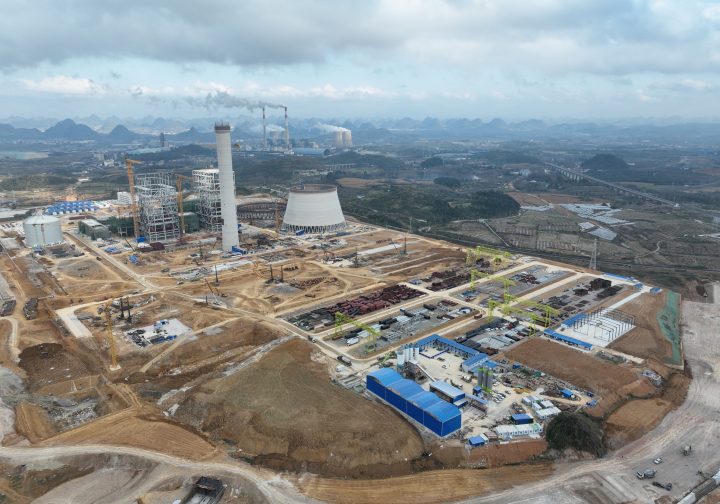
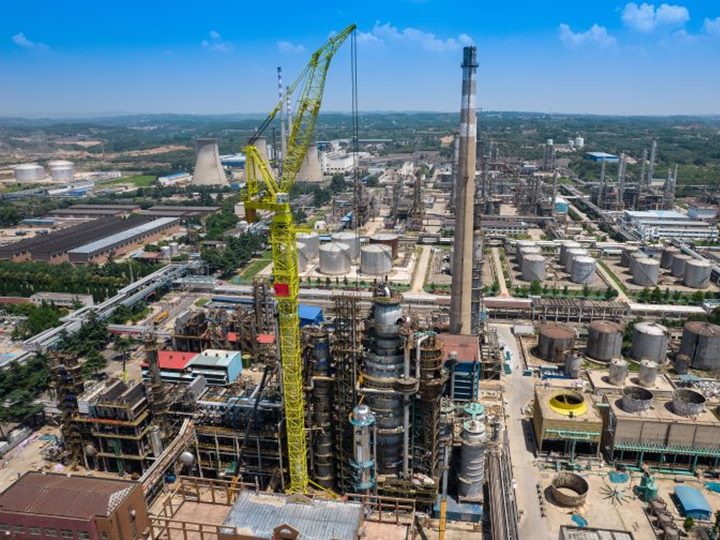
JINLI HEAVY JLD2250S COMPLETESSINOPEC LUOYANG REFINERY TURNAROUND
Location: Henan China
Application: Catalytic cracking unit overhauling
Our professional team will reply you as soon as possible.
Submit Request
PDF Request
Simply fill out the form below and the catalog will be available for download!